

Responsible engagement with spirituality, plant medicine, psychedelics is an art, a practice.
Before I get started — if it’s not already obvious from my photo — I’m not a doctor or lawyer! So, nothing here constitutes medical or legal advice. I recommend following the guidance of your people and obeying the law wherever you may be.
Okay, that out of the way, here we go! I think it’ll be helpful to talk about how I stepped into this world to kick things off…
The Early Days Of My Practice
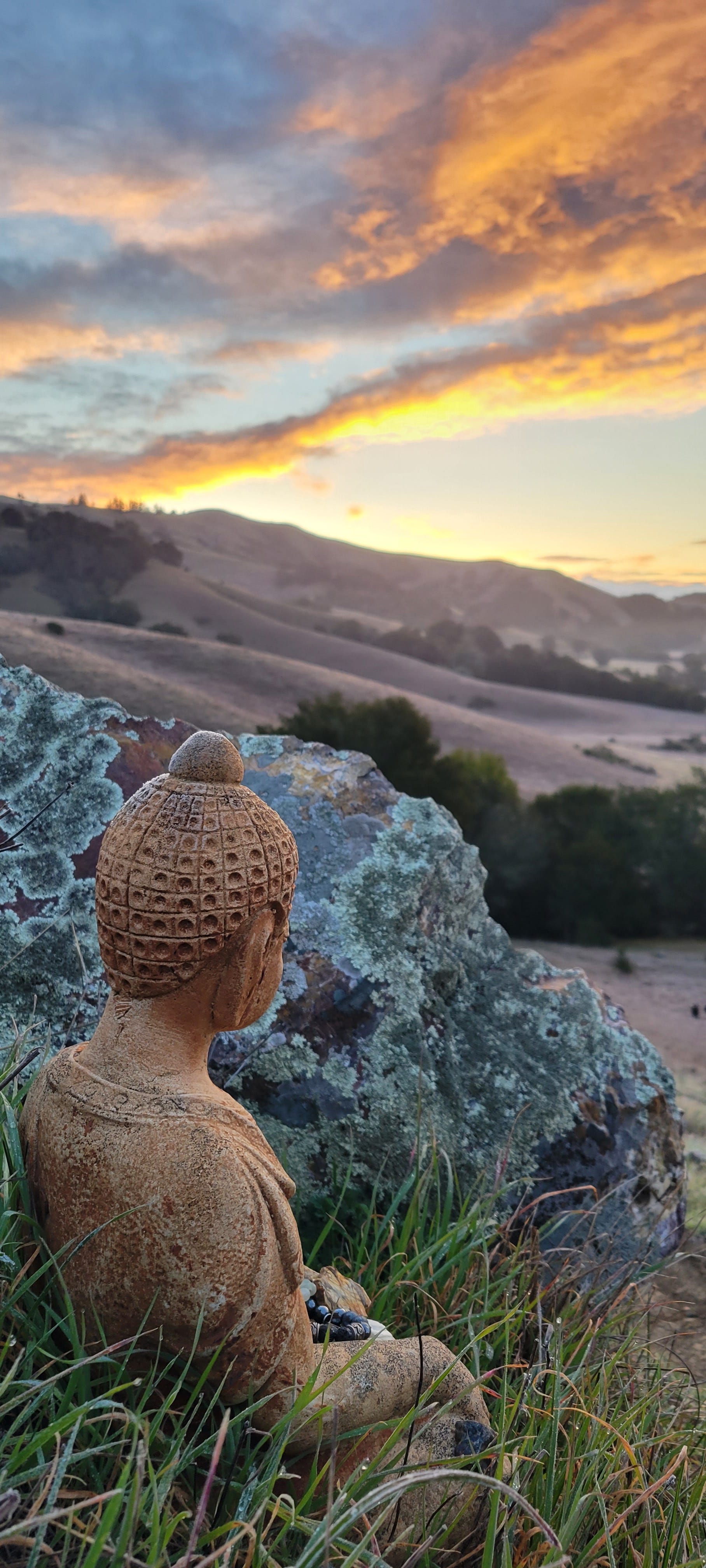
I’d been experimenting with intentional use of psychedelics in the months leading up to a silent meditation retreat some years ago. Previously, I’d already had deep experiences of sati (remembering, commonly translated as mindfulness), samadhi (gatheredness, commonly translated as concentration), anicca (impermanence), anatta (not self), and dukkha (unsatisfactoriness, commonly translated as suffering), as well as tastes of the jhanas (absorption), on pure, unadulterated meditation retreat. I’d lived alone in the woods for a year, given up alcohol and caffeine, cleaned up the diet and sleep, was exercising regularly, and I’d been meditating daily for over 5 years by this point (a practice which I'd learned as a kid and had since “forgotten”), many months on silent retreat, and several thousand hours of cumulative practice. I felt ready for some deeper glimpses into these core teachings as well as into the ultimate, deathless…nibbāna — translated as an extinguishing of the fire of greed, hatred, aversion.
So, back to retreat — it was a 10-day, starting with samadhi and leading into an advanced Tibetan awareness practice. As there is never a place to use any kind of substance on meditation retreat, it was just me, the instructions, and my mind. About halfway through, there was an evening dharma talk describing the Tibetan awareness practice and the resulting states of euphoria, bliss, rapture. I literally raised my hand in the back of the hall to ask if any mere mortal had ever ventured into this territory — thankfully, the teacher didn’t call on me.
Now, something interesting was happening on this particular retreat — I was noticing that in the 30- and 45- minute sits I was regularly having 0, 1, 2, 3 total thoughts, most of which were, “Whoa, I haven’t had any thoughts this sit…”
Something else was happening — my skin was itching, burning intensely. At first, just some spots here and there; by the end of retreat, about a third of my body was covered in rash. It became the object of my meditation as it started, as everything is amplified on retreat. I began softening into the pain and discomfort, feeling it, curious about it, noticing the desire to scratch, what happened as I didn’t…how it intensified, how it transformed.
Since the best opportunity for awakening at Spirit Rock is sleeping through the morning meditation(!), the day after the Tibetan awareness instructions were given, I made my way to the hall for my first sit while the rest of the retreatants were having breakfast at around 7:15 am. After about a half hour of practice, my first thought was the usual — that there hadn’t been any thoughts. The second thought was new — remembering the instructions from the night before. They were presented with the caveat that these techniques are normally taught around year ~8 at the monastery and take ~2 more years to master. The intention of our retreat was for us to touch, but not yet dwell in, these states. I tried a few of the methods described for entering this place, and to my surprise, some flashes began. “Whoa, cool!” I thought.
Next I remembered something from my psychedelic journeys in the prior year — the first time I went into the DMT space, there was nothing, total blackness, stillness, silence, off. I thought I’d experienced samadhi before, but boy was I off, way off!
My second time with DMT, the place I’d previously thought to be completely empty, I noticed lava lamp -like bubbles moving upwards…“iiinteresting”, I thought; I moved closer. Illuminated by the blobs, I made out what appeared to be a room I was in. The bubbles in the top-left corner were leading into a whole other world I previously didn’t know existed — it was filled with amazing colors, patterns, shapes. I knew that to cross the threshold from my quiet, safe, dark room into this other magical one was to die, and I felt too afraid.
On my third time going in, having prepared mentally before, I came to the threshold, and I felt a sense of, “okay, it’s time…let’s go.” I surrendered and was catapulted straight into Candy Land, having become part of it and its infinite dimensions, spontaneously shifting and collapsing and remerging in and out of each other, all comprised of a liquid that is clearly life itself. The liquid gave rise to three gentle feminine beings who greeted me, “welcome back…we’ve been waiting for you.” You know the feeling when you come back to the breath in meditation after the mind has been wandering? I had this feeling stepping into this world, except the wandering mind was all of my prior life, and this, this was presence. I knew I had died. When I came out of it 15 calendar minutes later, and what felt like a lifetime in there, I was completely shocked to be alive. I was totally at peace with having died. This is what’s known as “ego death”.
Well, back at meditation retreat, I remembered the, “okay, it’s time…let’s go” motion, and I tried that…now unaided by any substance, and holy shit! I found myself right back in Candy Land, my body sitting alone in the retreat center hall, substance-free 🤯. WTF!? And I stayed there, for several more hours in continuous meditation that morning. And then eyes open as I walked to the bathroom. And still at lunch. In the afternoon sitting and walking meditations. Into my dreams. All the sits for the rest of retreat. I could enter at will. But I wasn’t so good at turning it off, yet! That’s what I refined over the next several months after retreat ended, most definitely still substance-free.
I saw my teacher as I was walking out of the bathroom outside the meditation hall that morning — she was one of the ones leading retreat. Seeing my deer-in-headlights eyes, she approached and breaking silence, asked me what was going on. The advice she offered was really helpful — to basically stop meditating, go for brisk hikes, hot showers, etc. To spend time grounding. The next night, her colleague was giving the dharma talk and quoted Chögyam Trungpa…
The bad news is you’re falling through the air, nothing to hang on to, no parachute. The good news is, there’s no ground.
When the 10 days were up, a fellow retreatant offered me a ride to my friend’s place down in Mill Valley where I’d be staying the next few nights. Seeing the rash on my arms beneath the sleeves of my t-shirt, the fellow meditator driving me mentioned he was a doctor and asked if I was okay. “Oh yeah, I’m fine…” I shrugged it off, “just something that’s been there, not really sure what it is.” He asked if I'd been hiking in the woods. “Every day!” I responded proudly — that was the best way I'd learned to come down from Candy Land. “I’m pretty sure that’s a really terrible case of poison oak; we should go to the emergency room,” the good doctor went on. “Umm, okay?” I agreed. I was in such a pleasant state; it really wasn’t bothering me. And. I trusted him.
“So, what kind of doctor are you?” I asked...
“I’m a psychiatrist.”
“Oh cool.” I let some time go by…
“Hey, you don’t know anything about the intersection of meditation and psychedelics, do you?” I followed up. “I’d been playing with psychedelics and then just had some pretty wild stuff happen on this retreat after. I don’t really know what to make of it all…”
“Yeah, seems like it,” he looked down at my pussing arms. “I’ve been sitting multiple retreats a year here for decades, and I don’t have anywhere close to the amount of samadhi to have sat through what you just did! And yes, as a matter of fact, I do — I helped organize the first spiritual pyschedelic conferences back in the 70s with Dr. Hofmann, the McKenna brothers, Ram Dass, Jack Kornfield, Joan Halifax, Ann Shulgin…”
“Holy shit!” I interrupted, “no way!?”
“Sure did,” he chuckled.
“Well, what would they tell me if they were here in the car with us…what’s the most important thing?” I asked…
Dr. X, let’s call him, didn’t skip a beat — “they made it abundantly clear that, combined skillfully, psychedelics hold great potential in the spiritual journey. And. Unskillfully used, it’s a very slippery, dangerous slope.”
Clear enough. Lesson learned.
The doctors at the urgent care confirmed it was indeed poison oak. They were beside themselves about how it’d gotten so bad without my getting medical attention. They loaded me up with some ‘roids, I went to the Safeway next door to pickup some fruit and water, and my friend scooped me in his grey Jeep out front.
Several Years Later
Fast forward a bit, and I find myself in an extremely intense ayahuasca ceremony. At 5’9” barely weighing 120 pounds, my body was not strong. I’d just come out of a monthlong silent meditation retreat. It was my 3rd drinking in less than a week. Unfortunately, it was in my early days with ayahuasca, and I found myself in the company of a very unskillful facilitator. She served me three cups that night to move through the block that was surely my system resisting her. Since it takes time for medicine to fully leave the system, the effects were compounding from the prior ceremonies that week. Needless to say, this dose was enough to hurl me over the edge.
There’s a phenomenon with psychedelics where certain people, sensitive ones I believe, can become hypoglycemic. Well, this time, instead of my ego dying, it was my body’s turn. So attuned coming out of the meditation retreat and with so much medicine in my system, I could literally feel organs showing down, especially my pulse, blood pressure. Laid out, I couldn’t move. I was basically alone, not in the best company.
“Remember your practice,” I heard a voice echo from the depths of my soul.
And just like that, it clicked. It was effortless. After millions of repetitions of being with the breath in formal practice, it would have taken effort to not be present with each of my body’s slow, long inhales, exhales.
The physical pain was excruciating. It made the poison oak feel like the kiddie pool. It was as if my torso had been split open, a surgeon’s hands wrangling my guts.
I’d read the chapter in the Gita that morning about how to die and remembered the instructions — focus attention on the light eminating from the third eye. I could instantly see it. It was blinding, euphoric; there was complete freedom from the pain. And then something would shift in my guts. Forgetting my practice, I’d be drowning all over again in torment. Until the next inhale, “remember”. And so I went, cycling through this loop dozens and dozens of times.
Until after an hour or so, I just decided, “I’m not dying here, now. I’m walking out of here.” I fixed my mind on a piece of fruit, one of those bright juicy oranges in the kitchen about 500 meters down the hill. I saw it clearly in my mind’s eye, its ripe flesh bulging against the pith.
I continued visualizing my salvation for some time. I could taste the sweet nectar. Lying in savasana, hands outstretched by my sides. When all of a sudden, a half of a cold, wet orange is gently placed into the palm of my right hand. It took all the energy I could muster to lift my arm, bend the elbow. And at last. The pure primal substance of life itself, touching the skin of my lips.
The next day, I tracked down the person who’d brought the orange. “Why did you do that?” I asked, “where did it come from?”
“I don’t know.” is all he said.
Putting It All Together
Tibetan Buddhists talk about three levels of understanding…
Conceptual — learning about a thing, like impermanence
Experiential — experiencing the thing, not resisting change
Pervasive — abiding in the thing, complete surrender to everything changing, always
As I’ve pieced together my experience and Dr. X's advice over the years, I’ve seen a pattern where I’ll learn about a thing in meditation, a dharma talk, therapy, reading, etc. I’ll experience it to some degree in my daily life, meditation. Then, there’s a plateau. Sometimes, after the flattening out, I’ll sit on a meditation or plant medicine retreat, and the understanding becomes pervasive. I can’t quite say when or why I choose meditation vs. plant medicine, outside of saying I know in my gut. I guess if I’m feeling really stuck after meditation retreat, sometimes medicine helps — it’ll show me a marker, a north star, that I can take back to my cushion after and practice. But without holding onto it ← slippery slope. If I’m feeling really expansive and needing to come back to earth, meditation retreat helps — this in turn helps me cultivate the stability and resources that are key to the psychedelic journeys.
One thing I do know is that my meditation practice fundamentally shifted on that poison oak retreat — I'd made peace with the thinking mind and stopped fighting it. That's persisted, and every time I've since closed my eyes to sit, there’s been peace, even when shit’s bonkers outside. And I’m not attached to that. Maybe that’s part of why it’s still around…
What does all this mean?
There are two general ways people use psychedelics — spiritually and recreationally. They can’t be used for both, and, doing it right, much of the journey won't be any fun at all.
If you’re solely interested in expanding consciousness, this article is for you. Otherwise, if you’re at all interested in having fun with drugs, at least be as safe as you can 🤷🏼?
Related, “bad trips” are only a matter of when, not if, recreational use is involved. You won’t get lucky 10 times in a row. Because set and setting are a mess. Spiritually speaking, I often experience difficult journeys. The difference between bad and difficult on the front end of the journey involves surrender and curiosity, versus resistance and grasping. On the back end of a journey, this yields healthy transformation versus traumatizing terror.
Now, this isn't to say that if you dropped acid in college, you can't make the switch. Though if you do want to make the switch, I do believe committing to using psychedelics exclusively intentionally and completely giving them up recreationally is necessary. And while there is a spiritual argument for joy, it's far too nuanced, and risky, for me to cover here.
Alright, if you're still reading, I'll assume you're one-hundred percent committed to exploring your mind. After all, this is what the word psychedelic means — in Greek, psyche (mind) + deloun (to make manifest) produces “mind-manifesting”. I include therapeutic use of psychedelics in this bucket because, whether or not the participant is aware, I believe all parts of the growth journey boil down to a spiritual quest.
Now, there are two ways people try to use psychedelics to expand consciousness — with love, and with hate. Bros searching for an ego death are motivated by self-hate ← don't do this. This, any desire to “break” through, “fix” a “broken” self, “improve”, etc. is, ironically enough, the ego talking, and ultimately fear. It only leads to “bad trips” or ego strengthening under the guise of a “mystical experience”. The word growth even falls into this camp, but alas, words are what we’ve got here ¯\_(ツ)_/¯.
If you aren’t at least a little bit scared approaching psychedelics, your ego is fully in the driver’s seat, and I recommend a gentler path (loving-kindness meditation, soft massage, a gentle therapist) for many years before introducing psychedelics.
If you're still with me, I'll assume you're interested in exploring your mind, purely. It takes a great deal of responsibility to walk this path upright, as psychedelics harness a great deal of power.
Why are most psychedelics illegal?
Nixon branded psychedelics as illegal drugs to target and suppress the anti-war, counterculture, hippie movement in the 1960s. Fortunately, that is finally being undone, as plant medicine has been used by indigenous people for millennia to successfully treat a variety of conditions. As of the publication date of this article, in the US…
DMT is in Phase 2a clinical trials
LSD is in Phase 2
MDMA completed Phase 3 and is doing it again for kicks and grins
Psilocybin is becoming decriminalized and has completed its Phase 3 clinical trials
Esketamine is FDA-approved for treatment-resistant depression
Marijuana, sometimes considered a low-grade psychedelic, is widely legalized and has a variety of well-documented medical uses
Preparation
In The Months Leading Up
Step 1: Meditate every day for 20 minutes for 90 days, minimum.
If you can’t do this, you’re still looking for a shortcut, afraid of suffering, and you shouldn’t fool around with psychedelics. Before hitting the NOS, learn how to drive! Diet pills won't give you what you really need, and if you’re an adult, you know there are serious consequences of using anything, especially a substance, as a quick fix, escape, easy way out — just read about the side effects of GLP-1s!
On the adult part, I recommend waiting until your late twenties or early thirites at least when starting down this direction. Ideally, you've meditated daily for years, as well, since you'll need all you've learned in your practice, and much more, to help keep you upright. The more you meditate, the more the ego will soften and allow you to remain present, grounded, open in journeys. People who come out of their first ayahuasca journey thinking they’re God, enlightened, evolved, better-than, are the ones who skipped the years of skillful meditation step ← please don’t do this.
Wrapping up this section, meditation, especially on retreat, enhances neuroplasticity, gradually. Psychedelics do it rapidly. Learn how to drive slowly so when your mind is malleable you change it for the better. And choose your inputs (guides) wisely. You are ultimately the only one responsible for yourself and can do yourself and others a great deal of harm if you don’t go about this right.
Find a guide.
Don’t do this at home alone, kids. Find someone qualified to shepherd your journey — who has done their inner work, has high integrity in and out of the medicine, is kind, has been trained and guided many times before, will get to know you and your intentions in preparation sessions, and will support you afterwards. When things get difficult for you on a journey, you'll thank yourself for having done your homework here. It's difficult to explain the nuance and importance of helpful support ahead of time, but you will most definitely know it when you do (or don't) receive what you need!
These days you can throw a crystal and hit 27 enlightened beings offering to show you the way. Hint: RUN the other way!
As a friend of mine says of spiritual communities, “hospitals are not for the well.” And with medicine this strong, you'll unfortunately find that most of the doctors and nurses in this hospital are really just patients who've promoted themselves without anybody’s blessing. It’s beyond perverse.
It takes an unworldly amount of integrity to wield such power without being corrupted by it. I usually more trust women, and some men with very developed, mature feminine sides — balance is the key. You want someone caring, who knows when and how to let you work through it on your own, and when to offer assistance. When going through something on your own, you know and feel you’re still supported by them. Too many guides fall into the trap of playing hero by assisting too much, which will only teach you to be a victim ← if you currently identify with this kind of energy, psychedlics and even meditation may exacerbate it.
And for medicines like ayahuasca, the list narrows for me, also requiring 10+ years of indigenous training (I pretty much exclusively drink from folks from the Amazon).
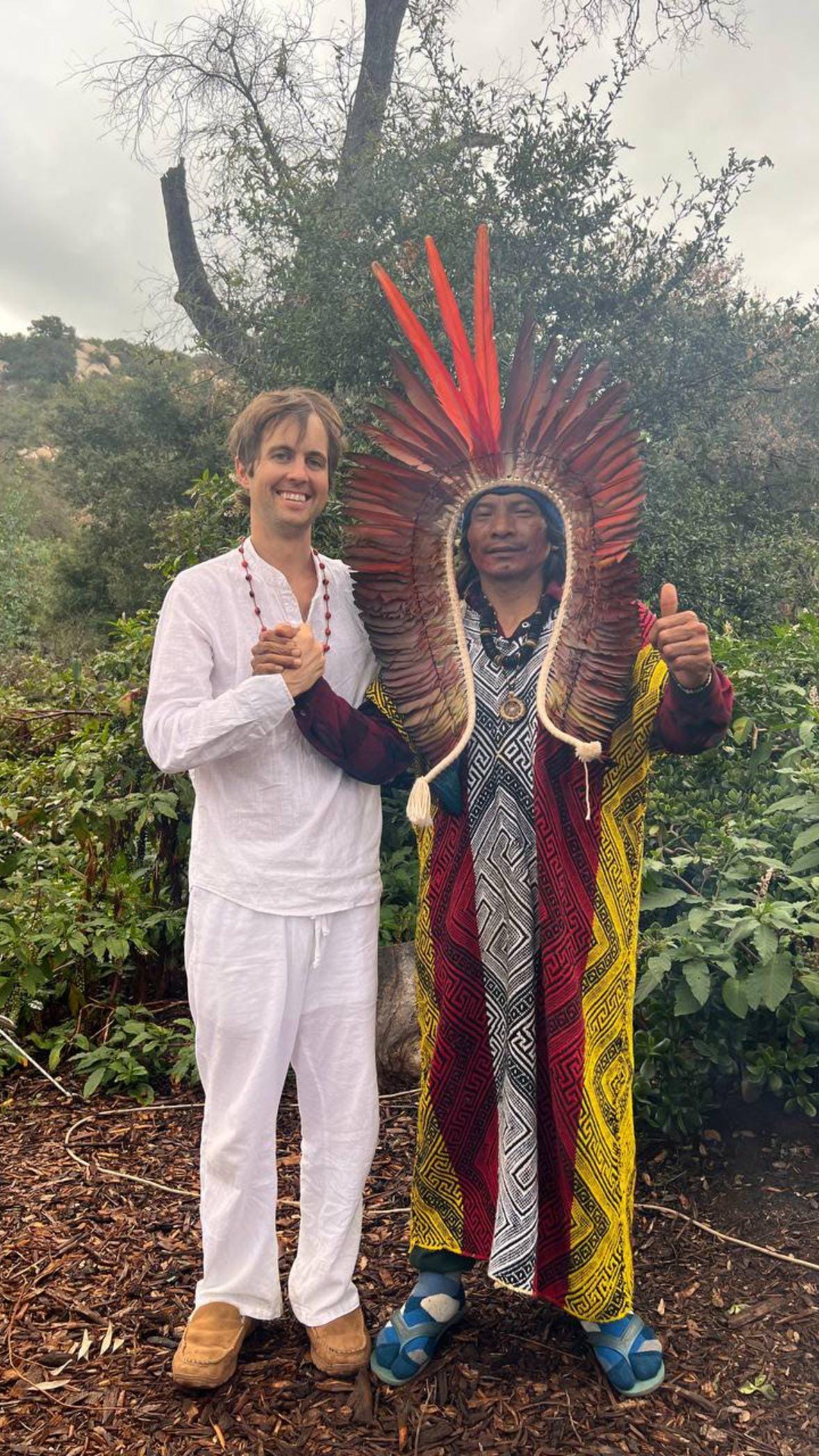
I could write a book about this section, and at the same time, I couldn't, because it's more of an art than a science, and unfortunately, I mostly have learned through trial and error, which is dangerous. I guess a few things I do in selecting guides are to look at their photo, listen to their music, have a conversation with them, all the while checking in with my gut and listening to the most subtle energetic cues.
What most people new to this world don't understand is that more important than the medicine is the guide. Once you take medicine with someone, you are giving them a key to your body, heart, mind, soul. This is especially true of ayahuasca — the medicine on its own will do things, but the maestro, curandero (if you ever meet someone who calls themself a “shaman”, also run the other way) is the one who directs it through song to do especially wonderful things. And they are the ones who hold the energetic boundary to protect the space and keep bad things from happening — dark spirits are attracted to the light. You might not understand this before having medicine, and trust me, you don’t want to learn this one the hard way. Drinking ayahuasca on your own, with someone who doesn't know what they're doing, or worse, with someone of questionable integrity, is like lighting a cigarette in a room full of gasoline and fireworks ← actually, I might prefer my odds here.
Choose your guide responsibly, and make sure your meditation practice is strong so that you may be safe when, not if, you run up against dark juju.
Balance
This section could be another book — for the Shipibo-Konibo people of Peru, renowned stewards of ayahuasca, balance is at the core of living an ethical life. Living in harmony with nature; only taking from the land what’s needed; ensuring the animals, plants, rivers are healthy.
When it comes to ayahuasca, balance takes many forms — respect for this limited resource, dosage, frequency of use, mindset, ego.
Ethics Practice
Buddha’s first dharma talk after his awakening covers The Middle Way, The Four Noble Truths, and The Eightfold Path. Whle books have also been written on each of these, here’s the gist…with some other teachings sprinkled in…and a little artistic license…
Born a prince, Siddhartha has everything. Still, there was dukkha — commonly translated as suffering, I prefer “unsatisfactoriness”. He leaves the palace in search of an end of dukkha and became an ascetic, renouncing worldly pleasures, including things like clothes, shelter, food. He becomes a master of the jhanas, able to enter profound states of consciousness at will, but he always comes down after he opens his eyes (note the parallel with coming down from psychedelics). Six years of this, malnourished and on the brink of starvation, he remembers the pleasant meditative state he knew as a child, and asks himself, “hmm, might there be another way?” He decides to give up the ascetic thing, have a proper meal, and sit and meditate under a tree until he’s free from dukkha. Some time later, he’s fully awakened and liberated. Thus, The Middle Way is born, one of the most pure, simple distillations of Buddhism.
Central to the path are the Four Noble Truths:
There is dukkha (unsatisfactoriness, suffering). This exists, y’all. The end.
There is a cause of dukkha. Namely, it’s the never-ending grasping onto things we want, aversion to the things we don’t want. Buddha used the word tanha, which literally means “thirst”, an insatiable thirst. You see, the wanting and not wanting is the suffering. And this is rooted in the ignorance of our fundamental, interconnected, always-changing nature. Dukkha manifests as clinging to a false, static, separate sense of self and world around us.
There is an end to dukkha. Hooray!
Here’s the way. It’s the Eightfold Path, which boils down to three groups. We practice right ethics, right meditation (paraphrasing since the common translation of samadhi, concentration, is especially misleading for this audience), and right wisdom (right view and right intention). This leads to the end of dukkha.
So what’s right ethics? Basically, non-harming. Self or other. For lay people, we practice the Five Precepts:
I undertake the training to refrain from intentionally taking life.
I undertake the training to refrain from taking that which is not given.
I undertake the training to refrain from misuse of sexuality and the senses.
I undertake the training to refrain from speech that is false, harsh, divisive, or meaningless.
I undertake the training to refrain from intoxication which leads to carelessness.
The six sense doors (mind consciousness is the sixth sense in Buddhism) are the gates of dukkha. Restraining them with strength and love is key to waking up, a practice for all times in life, and especially with psychedelics. I take the Five Precepts most mornings and always before every journey. Whatever your religion, any person can take up these practices.
Screening
If you have a personal or family history of mental illness, especially anxiety, depression, bipolar disorder, or schizophrenia, be especially cautious with psychedelics. The same goes for heart problems. Discuss this completely openly with your guide, medical team, etc., to determine if this is a safe and helpful path for you, now.
Choose your medicine and dosage.
Yes, this is medicine.
No, this is not food.
If you have any kind of frequent “draw” to psychedelics, this is dependency and a huge dead-end. I recommend stopping use, returning to your pure meditation practice, and only considering experimenting some years after the addiction, yes, addiction, has weaned. If you or people in your family have a history of addiction, tread very carefully. Addictions to “healthy” things are very common and not so healthy.
Choosing medicine and dosage is best done with your guide. When in doubt, err on the side of a gentler medicine, lower dose.
I prefer natural over synthetic, and psilocybin (magic mushrooms) is where I started. Journeys last around 4 hours and tend to be grounding, flowing, expansive.
Lysergic acid diethylamide (LSD) is synthesized from ergot, a fungus that grows on some grains, and brings brighter, sharper journeys that also last around 4 hours.
Here is a great playlist I’ve used for mushrooms and LSD sessions, refined over decades of clinical trials by a Johns Hopkins researcher investigating how music can guide journeys (don't look at or listen to it ahead of time; it's best heard for the first time in the medicine). It's designed to be listened to while lying down comfortably, with headphones, eyes blindfolded, and with a guide.
If anxious about psilocybin and LSD, I’d step down to low-dose marijuana. Are you one of those “marijuana makes me paranoid” people? I generally believe cannabis more reveals than creates anxiety, and at low doses, one can work with this — learn the tools to be with the anxiety, which very well may be the doorway to freedom in turning towards what’s most difficult.
On that note, suffering is not an obstacle to go around or conquer; it is the way of freedom — in and through the suffering. This is a lot of what I’m up to with psychedelics — choosing to walk through this, sometimes very scary, doorway, over and over again.
Or if you want to dip your toe without any substances, Holotropic Breathwork can be great, creates psychedelic conditions. The selection of guide here is paramount and very difficult since most I’ve encountered fall into the spiritual materialism trap.
For significant trauma, MDMA (originally synthesized from the sassafras tree) was helpful early on my path — it produces the one set of conditions where the brain simultaneously releases serotonin (helps one feel safe), oxytocin (helps one feel love and connection), and dopamine (helps one feel strong and courageous) all at the same time. I follow these guidelines and am extra slow and cautious in this realm.
Feeling the call from ayahuasca? Grandmother is not for everybody. Not to be rushed. Feel into the quiet whisper of your soul. Listen. And really double down on your meditation. To help clear up any fantasies of this path being unicorns and rainbows...do you remember being sick as a kid? And knowing there's medicine that'll help? But it was so unpleasant you weren't sure if you wanted to take it? So you had to take some time to muster the courage? Ayahuasca is like that, times a million...so, extra important here is the selection of guide and the person who’s preparing our brew, as their energy will enter our being on our journey — we’re signing a karmic contract when we consent to drink.
Purging is part of the process. It's sacred, not to be feared. The medicine, aided by the skillful direction of a maestro, will find the illness of the body, mind, spirit that is ready to heal. And then she will get to work. Sometimes, things need to come out. It can be through vomiting, excretion, yawns, tears, sighs, spasms, etc. “Ayahuasca cura, cura medicina.” Ayahuasca cures, medicine heals. Trust in the process.
If you've had ayahuasca a handful of times, and it's been all unicorns and rainbows, check the ego, look deeper.
The active ingredient in chacruna is dimethyltryptamine (DMT), mixed with the ayahuasca vine to inhibit the monoamine oxidase (MAO) enzymes in the gut that otherwise destroy pure DMT, since it exists naturally in so many plants (we’d be otherwise tripping all the time!). Effects last anywhere from 4-8 hours.
Rapé (pronounced ra-PAY) is a nice place to start with plant medicine. Not psychoactive, it’s a finely ground blend of tobacco and other medicinal plants. The powder is blown into the nostrils, and depending on dosage, the experience can range from mildly to extremely unpleasant at first. Purging is possible, though normally through spitting and tears. Rapé brings a strong sense of grounding, embodiment, and connection with nature and other beings.
One of my preferred medicines is Huachuma, grandfather, the San Pedro cactus. Journeys tend to last 8-12 hours and are more like a slow-rolling wave than surfing Nazaré with grandmother. The active ingredient is mescaline, also found in the Peyote cactus.
Select a location — set and setting are key.
I recommend a place where what you’ve chosen is legal and in nature. It’s very important that you feel completely safe — with the people, the sounds, the smells, the nature. Don’t override any subtle feeling in your gut. When in doubt, walk away.
Source responsibly.
I don’t recommend buying off the street. I like to know where my medicine comes from, whose hands it’s touched — energy transfer is real, y’all.
In The Weeks Leading Up
Set an intention.
Doesn’t need to be anything crazy. Not too vague, not too specific. One of my early ones that was noteworthy in my development was, “Mom.” I recommend something spiritual, open-ended versus materialistic, deterministic...trying to achieve an outcome. (Self) love, kindness, service are good examples. Be more productive, get a raise or job, marry this person...not so much!
Check the motivation.
Cultural appropriation is real ← don't do this.
You should only head down this path with curiosity, reverence, respect for the indigenous traditions in which these medicines are used versus an extractionary, individualistic, selfish motivation (which includes things like, “I'm God, and I'm going to save the world”).
Are you interested in getting more 🔴, or are you interested in learning to be with what is 🟢?
Do you value the mind over the body 🔴, or do you (want to) see their interconnected nature 🟢?
Clean up your life.
Diet.
This isn’t just about food and drink. Abstain from alcohol, tobacco, recreational substances, scrolling, media, sex (the biggest energy transfer out there), stress, etc. On food, limit especially animal products (and most especially pork), processed food (especially sugar), spices (especially salt), and fat. Eat whole food, plant-based. For ayahuasca, follow the even more specific instructions from your guide.
This comes from the dieta tradition of the Shipibo — thousands of years before Western doctors developed the Prolon Fast, this indigenous tribe was eating a ~500 calorie-a-day, ~10% protein, bland diet for weeks, months, up to over a year at a time, to aid in the purification of the body, mind, spirit.
Prepare your people.
Let a few loved ones know what you’re up to, recruit their assistance in your diet, coordinate an emergency contact, and ask for support in integration after your journey.
You’ll need space before, during, after your journey. If you’ll be at home, come up with a plan with your partner, kids, pets, etc. You will not want to be dealing with anything that “comes up” for someone else in and around this time.
Journal.
If you don’t already have one, begin a morning journaling practice. The recommendation (from The Artist’s Way) is to fill 3 pages within the first hour of waking. Don’t read anything written in the last 90 days.
You can write about your intention, fears, hopes, childhood, relationships, etc.
Day Of
Sleep.
Get 8 hours of sleep at your normal time.
Practice.
Stretch, meditate, journal, listen to soothing music in the morning. Eat a healthy, small, low-fat, vegan meal if indicated.
Supplies And Props
Depending on your medicine and dosage, you may need…
Water
Healthy snacks
Blanket
Pillows
Eye mask
Comfy clothes
Hot pack
Paper + pen
Headphones
Supports — religious or spiritual artifacts (e.g., Buddha statue, stones), incense, candles, stuffed animal, etc.
Memorabilia — depending on your intention, it can be helpful to bring photos of yourself and significant others across different ages, including pleasant and unpleasant memories
Going In
Recommit to your ethical principles.
Take the precepts. Like you mean it.
Mentally prepare for your leap of faith.
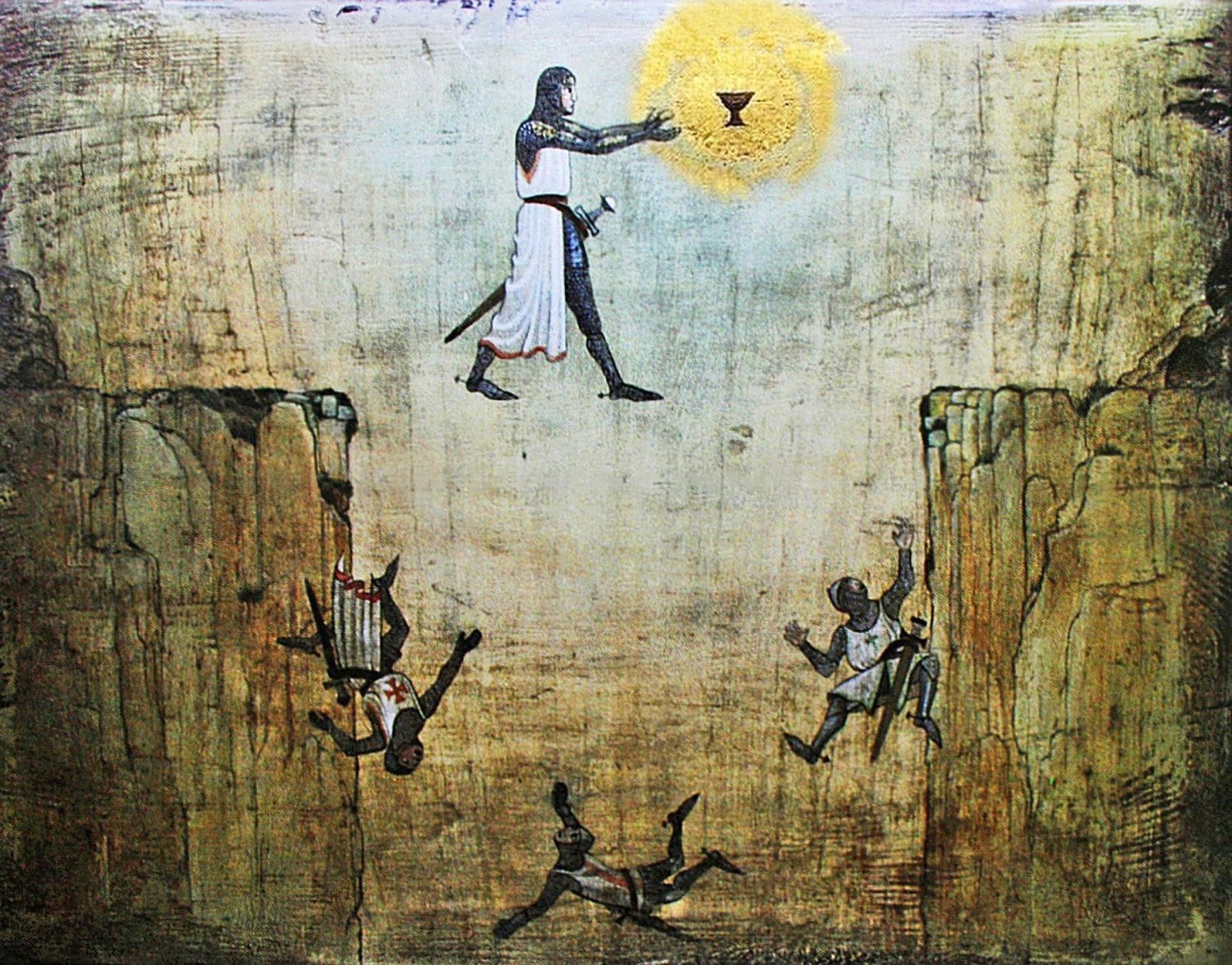
Recommit to an attitude of surrender, nonresistance, listening — when you see something dark, be curious about it, move closer. How is this here to help me? What does it have to show, teach me? Cultivate an attitude of being open to anything, everything. Unafraid. There will come a time when you’ll need to take a step and let go into a dark abyss, without any reassurance of what comes next, if anything will catch you. The Buddhist word is saddha, commonly translated as faith, I prefer the translations “confidence”, “trust”. You may encounter difficult things from the past, uncover memories you were not aware of — lean in, trust in the process, let things metabolize, release. Crying is normal and healthy.
Hopefully by this point you respect the gravity of this all and aren’t going to be casual about it.
Ground.
Notice three objects in your space before the journey. If you later get lost, seeing and tracking them can help mid-journey.
Scents And Tastes
Strong smells and tastes can be helpful to return to the body if things get really difficult — smelling or tasting pumpkin spice, or to pull the eject cord, chewing on peppercorns.
Meditate.
Before, during, and after receiving medicine, I meditate. The entire journey, I meditate. I practice sitting upright, staying present. My system borrows from the hundreds of thousands of reps of returning to the breath after distraction that I’ve practiced in sitting meditation, such that when I get lost in a journey, there is an automatic return to presence upon my next inhale that brings me home, back to my body, here, now, safe. Do you understand why meditation is so important?
Let go of expectation. Don’t wait for some big experience — that will preclude it. Just meditate. Embrace beginner's mind, childlike wonder. And pleasant surprise when things happen. Once you are inside, ask questions, unattached to answers or results.
Ask for help.
If you’re the Stoic, hero type — everyone needs help sometimes. Nobody can do this alone. The strong thing to do is to ask for help when you need it. When you’re afraid.
If you’re the Eeyore, victim type — see if you can notice when you want to reach out, and first, come home to yourself, ask yourself what you need, offer it to yourself, to the child inside, pause for a moment before asking. If you still need help, do reach out.
Breathe.
Your breath is your best friend. Before it starts? Breathe. When it’s difficult? Breathe. When it’s amazing? Breathe. When you’re bored? Breathe. After it ends? Breathe.
Integration
“After the ecstasy, the laundry.” — Jack Kornfield
Your journey continues for weeks after it “ends”. Be slow. Take your time. Continue your diet of all the things. Don’t try to stop the waves. Learn to surf. There will be ups. There will be downs. Life happens.
You’ll be more sensitive. It’s not good. It’s not bad. It just is. Roll with it. Don’t judge yourself. Feel into your needs, boundaries. State them. Not too much. Not too little. Be The Middle Way. Gentle with yourself, others. Don’t act on big decisions. Recommit to your practice. Reflect. Journal. Make a vision board from your journey. Meditate. Spend lots of time in nature. Get massages. Go for walks alone. Spend time with nurturing friends. Practice gentle yoga. Sleep.
And don’t retell your experience over and over again. That’ll strengthen the ego, diminish the experience. Only share the deepest parts with select people, giving plenty of time before talking about it at all, with anyone. Very few will be able to fully hold, honor your experience. With most, you’ll feel judged, diminished. When I hear, “how was your journey?” I generally reply with something like, “great, how was your weekend?” and begin a listening meditation 😊. Others will listen performatively, exaggerating everything, strengthening everyone’s ego. Also not helpful.
Don’t hold onto what happened. Let go. Breathe. It will fade. That’s okay. You touched your true north. That was the purpose. Remember.
Listen to supportive music.
These are some of my favorite Spotify playlists I've made for preparation and integration…
Meet with your guide.
I like to have 2-4 sessions after journeys to process.
Rapé
Rapé can be a very helpful integration tool, though one that's easy to get addicted to, as it's tobacco-based.
Microdosing
Occasionally? Fine?
Regularly? No. Just no. Regular microdosing is at best a crutch and at worst an addiction. If you’re doing this now, go back to the basics — sit on your cushion for 20 minutes each morning. If your mind is too busy, sit for an hour. If you can’t get to that magical place in your practice anymore, sign up for a 10-day silent retreat!
But seriously, if you’re looking for a still mind, you’re meditating wrong — meditation is a practice of learning to be at peace with the thinking mind, not controlling it into submission! And if you’ve had ecstatic experiences before, awesome! Now it’s time to let go of them, too. Trying to achieve anything in practice will only bring the opposite.
Recommend Reading
How To Change Your Mind — read the book, skip the Netflix series
Cutting Through Spiritual Materialism — if I could make this required reading for this world, I would
Zen Mind Beginner’s Mind — informal talks by Suzuki Roshi distilling Buddhist teachings for OG Silicon Valley minds
Mindfulness Meditation Misconceptions — by yours truly ;)
Mindfulness Resources — a comprehensive set of tools I’ve put together over the decades
Recommended Viewing
Articles From My Past Journeys
Thanks for reading! Please click Like below if you appreciate this post ❤️!